Lunching and Learning to Revitalize Proctor Creek and Nearby Communities
What’s going on at Proctor Creek? What efforts are ongoing there? How can non profits, agencies and the City of Atlanta work together to revitalize the Creek along with the

What’s going on at Proctor Creek? What efforts are ongoing there? How can non profits, agencies and the City of Atlanta work together to revitalize the Creek along with the
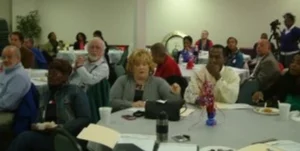
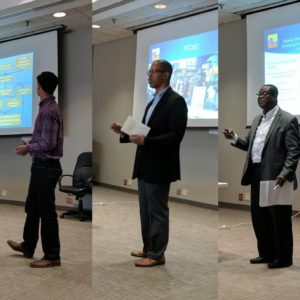
Speakers first shared progress on the implementation of the Proctor Creek/North Avenue Study (which proposed green infrastructure improvements for the Vine City and English Avenue neighborhoods) and progress on ongoing efforts by AUC faculty, staff and students to develop green infrastructure conceptual plans.

by Katherine McFate SC-buttonDespite parents’ best efforts to buy organic and use natural products, toxic chemicals are still found in baby toys, the lining of food containers, cosmetics and other
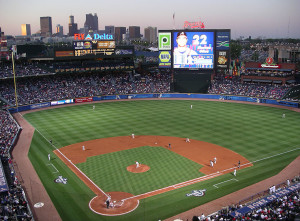
Dr. Yomi Noibi, Executive Director, ECO-Action With the construction of the new stadium in Cobb County, the 77 acres of public land that now make up the Turner Field Stadium
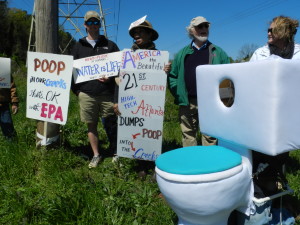
by Maggie Lee, Creative Loafing For the first time in 10 years, environmental rule-writers are reconsidering just how much Atlanta sewage should be allowed to wash downstream toward neighbors in

A new study found that vinyl flooring sold by Menards and other retailers tested contained phthalates, toxic chemicals that have been restricted in children’s products. Menards is the third largest
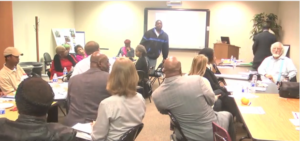
We know that there are environmental health challenges in the Vine City and English Avenue neighborhoods near Proctor Creek. So what can we do about them together?Residents of these neighborhoods
Dr. Yomi Noibi, Executive Director, ECO-Action How do community members with little money, power or education organize to create positive, deep and meaningful transformations in their neighborhood which has for
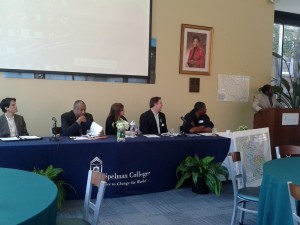
On March 17th, ECO-Action hosted its first community forum on green infrastructure at Spelman College. About 80 students, faculty, staff and community members attended the forum that was held at
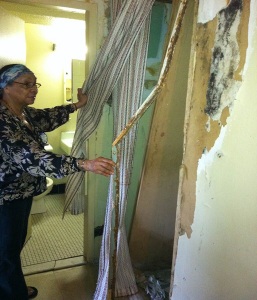
Can living in a building with mold, roaches and paint chips make you or your children more likely to have asthma attacks? NPR, in conjunction with the Robert Wood Johnson
Harold Mitchell’s presentation at the recent community forum described the process later codified into the EPA Environmental Justice Collaborative Problem Solving Model (EJCPS).
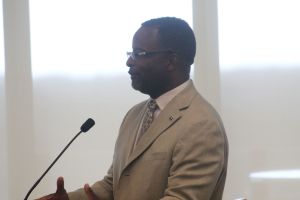
Harold Mitchell, Photos courtesy HERCULES Exposome Research Center How does a community transform two superfund sites and several brownfields into housing developments, health centers and a golf courses? That’s exactly